“Braces will make me look ugly.” “Invisalign works only for celebrities.” These braces myths still stop thousands of people from fixing their smiles. However, orthodontics today looks nothing like it did ten years ago. At Dr. Divyashree Rajendra’s Orthodontics, patients experience digital orthodontics, customized aligners, and faster smile correction designed around comfort, precision, and real lifestyles. As a result, many common orthodontic misconceptions are now being replaced with more accurate awareness about modern smile correction treatments.
Are Braces Still Bulky, Painful, and Obvious?
Most people still imagine orthodontic treatment as thick metal wires, uncomfortable tightening appointments, and years of embarrassment. However, that image is now outdated because modern orthodontics has transformed significantly over the last decade.
Today’s Braces Are Designed Differently
Traditional braces relied heavily on force and frequent tightening adjustments. In contrast, newer systems like Damon braces use self-ligating technology that reduces unnecessary friction during tooth movement.
As a result, patients often experience:
- Smoother adjustments
- Better comfort
- Reduced pressure
- Fewer clinic visits
Therefore, many patients are surprised by how manageable and comfortable modern braces actually feel. This shift has helped break several long-standing dental alignment myths associated with braces treatment.
Hidden Orthodontics Is No Longer Rare
One of the biggest orthodontic misconceptions is believing that braces are always highly visible. Fortunately, patients today can choose treatment options that are intentionally designed to be discreet and lifestyle friendly.
At Dr. Divyashree Rajendra’s Orthodontics, patients have access to:
- Invisalign clear aligners
- Incognito hidden braces
- Damon braces
- Quick Smiles orthodontics
- Inman Aligners
Incognito braces sit behind the teeth, while Invisalign aligners are transparent and removable. Because of this invisible braces truth, professionals, college students, and adults now feel far more confident about starting orthodontic treatment.
The Emotional Side of Braces Has Changed Too
Teenagers are no longer the only orthodontic patients seeking smile correction. Today, working professionals, entrepreneurs, content creators, and even senior adults actively choose orthodontic treatment for both confidence and oral health improvements.
For many patients, orthodontics now feels more like self-investment than traditional dental treatment. Consequently, braces myths related to appearance and social embarrassment are slowly disappearing.
Can Invisalign Actually Fix Serious Dental Problems?
A surprising number of patients still believe Invisalign only works for “minor gaps.” While that may have been true years ago, modern Invisalign systems have evolved significantly.
Invisalign Has Become Highly Advanced
Today, advanced aligner systems can successfully treat:
- Crowded teeth
- Deep bites
- Crossbites
- Overbites
- Underbites
- Spacing problems
The real transformation is not just the aligner itself but also the digital technology and planning behind it. In fact, these invisalign facts have completely changed how orthodontists approach complex smile correction cases.
Digital Scanning Has Completely Changed Orthodontics
This is where most generic orthodontic content misses the real story. The biggest transformation in orthodontics is happening behind the scenes through digital technology and precision-based planning.
Earlier, orthodontists depended on physical dental impressions that used moulding materials. Unfortunately, these impressions were often messy, uncomfortable, and less precise.
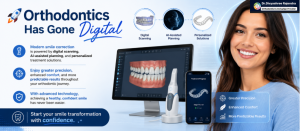
Today, advanced intraoral scanners create a highly detailed 3D model of the patient’s teeth within minutes. Because of this innovation, orthodontists can now:
- Predict tooth movement accurately
- Design highly customized aligners
- Detect bite issues earlier
- Reduce human error
- Improve fitting precision
Patients can even preview their future smile before treatment begins. As a result, this digital shift has dramatically improved patient confidence and treatment acceptance.
Precision Leads to Better Results
Clear aligners are not generic trays designed for everyone. Instead, every aligner stage is digitally planned based on the patient’s unique smile structure and bite pattern.
At Dr. Divyashree Rajendra’s Orthodontics, digital treatment planning helps create smoother transitions between aligners, thereby improving comfort, precision, and predictability throughout treatment. These invisalign facts are important because they help patients understand how advanced modern orthodontics has truly become.
Is Orthodontic Treatment Taking Longer Because of Old Techniques?
Many patients assume braces naturally take several years to complete. However, treatment delays often happen because of outdated techniques and inefficient orthodontic workflows.
Modern Orthodontics Is Becoming Faster
Digital orthodontics has improved treatment efficiency in several important ways. Additionally, smarter planning systems now help orthodontists monitor movement patterns more accurately from the beginning.
With digital scanning and software-assisted planning:
- Orthodontists identify movement patterns earlier
- Aligners fit more accurately
- Refinements reduce significantly
- Adjustments become more targeted
Consequently, treatment becomes more controlled, efficient, and predictable for patients.
Customized Treatment Matters More Than “Fast Braces” Marketing
Many clinics promise unrealistically fast orthodontic results. However, successful smile correction depends more on personalized planning than shortcuts or marketing claims.
For example:
- Quick Smiles focuses mainly on visible smile teeth
- Inman Aligners target mild front-tooth crowding
- Damon systems support broader smile development
- Invisalign provides staged movement precision
Since every patient has different dental concerns and smile goals, treatment customization becomes extremely important. This also helps correct several dental alignment myths related to “one-size-fits-all” orthodontic treatment.
Technology Reduces Trial-and-Error Dentistry
Older orthodontic systems depend heavily on manual adjustments over time. As a result, patients often experienced repeated corrections and less predictable outcomes.
Today, AI-assisted treatment simulations and digital monitoring allow orthodontists to plan tooth movement more intelligently from the beginning. Therefore, unnecessary movement corrections can often be reduced later during treatment.
This modern approach improves precision, efficiency, and overall patient confidence throughout the orthodontic journey.
Are Social Media Trends Creating New Dental Alignment Myths?
Orthodontics is now everywhere online. Unfortunately, misinformation is spreading just as quickly through social media trends and unverified advice.
“DIY Aligners” Are One of the Biggest Risks Today
Many patients believe online aligner kits can replace professional orthodontic care. However, this is one of the most dangerous dental alignment myths circulating online today.
Teeth movement affects:
- Jaw balance
- Bite function
- Gum health
- Bone support
- Facial harmony
Without proper diagnosis and supervision, aligners can worsen bite problems instead of correcting them. Therefore, orthodontic treatment should always be planned and monitored by experienced professionals.
Orthodontics Is More Than Straight Teeth
Most patients focus only on cosmetic appearance when considering smile correction. However, experienced orthodontists evaluate much more than aesthetics alone.
A proper orthodontic assessment includes:
- Jaw alignment
- Bite force balance
- Facial symmetry
- Speech patterns
- Airway considerations
- Long-term stability
Because of this, professional supervision becomes essential for achieving both healthy function and long-term smile stability. These orthodontic misconceptions often arise when patients see orthodontics only as a cosmetic procedure.
Viral Smile Trends Ignore Biology
Social media often promotes “perfect smiles” without discussing biological limitations or treatment complexity. In reality, every patient responds differently to orthodontic treatment based on several important factors.
These include:
- Bone density
- Gum condition
- Age
- Tooth anatomy
- Bite complexity
Modern orthodontics succeeds because it combines technology with clinical expertise rather than shortcuts or internet trends. As a result, patients should understand the invisible braces truth before making decisions influenced by viral content online.
Why Do Patients Choose Dr. Divyashree Rajendra’s Orthodontics for Modern Smile Correction?
Dr. Divyashree Rajendra combines more than 15 years of orthodontic expertise with advanced Invisalign and digital smile correction experience. After completing her BDS at GDCRI Bangalore and earning a gold medal from RGUHS, she pursued her MDS in Orthodontics from RV Dental College. She later received aligner training in Germany and Invisalign Master training in Thailand. Today, she is a certified Invisalign Diamond Provider and Clinical Speaker for Invisalign India.
At Dr. Divyashree Rajendra’s Orthodontics, patients receive personalized care through advanced digital scanning, customized smile planning, and modern orthodontic treatments designed for long-term comfort, precision, and confident smile transformation.
Wrapping Up
Most braces myths continue to survive because many people still compare modern orthodontics with outdated treatment methods from the past. However, digital scanning, customized aligners, and advanced smile planning have completely transformed patient experiences today.
Understanding real invisalign facts helps patients choose treatment more confidently instead of relying on internet misinformation or social media assumptions. Additionally, learning the invisible braces truth helps patients understand how modern orthodontics now focuses equally on aesthetics, comfort, and precision.
Key Takeaways
- Modern orthodontics focuses on comfort, precision, and aesthetics.
- Digital scanning technology improves treatment accuracy significantly.
- Invisalign and braces both works effectively when supervised properly.
- Many dental alignment myths and orthodontic misconceptions are based on outdated orthodontic techniques.
FAQs
1. Can digital scanning improve Invisalign treatment results?
Yes. Digital scanning creates highly accurate 3D models that improve aligner fitting, treatment planning, and movement prediction.
- Are Damon braces less painful than traditional braces?
Many patients experience reduced pressure with Damon braces because the self-ligating system creates lower friction during movement.
- Can adults start orthodontic treatment after 30?
Absolutely. Adults of all ages now choose braces and aligners successfully for both aesthetic and functional improvements.
- Why is professional orthodontic supervision important for aligners?
Orthodontists evaluate bite function, jaw health, and long-term stability, which DIY systems cannot properly assess.